Area guide
Living in London, Ontario.
Two hundred years of history, a riverside trail network, a busy arts calendar and four true seasons. Here's what life in the Forest City is like.
History & heritage
A city two hundred years in the making.
Long before London had a name, the forks of the Thames were a meeting place. Neutral (Attawandaron) and later Anishinaabe communities lived along the river, and the Lawson Site in the city's northwest preserves a Neutral village that stood here roughly five hundred years ago. Today the Chippewas of the Thames First Nation, Oneida Nation of the Thames and Munsee-Delaware Nation are London's closest neighbours.
In 1793 Lieutenant-Governor John Graves Simcoe picked the forks as the spot for a future capital of Upper Canada, naming both the town and the river after their English namesakes. The capital went to York (now Toronto) instead, but in 1826 London was laid out as the seat of the district's courts and government. That makes 2026 the city's bicentennial year. The railway arrived in 1853, and London became a city on January 1, 1855.
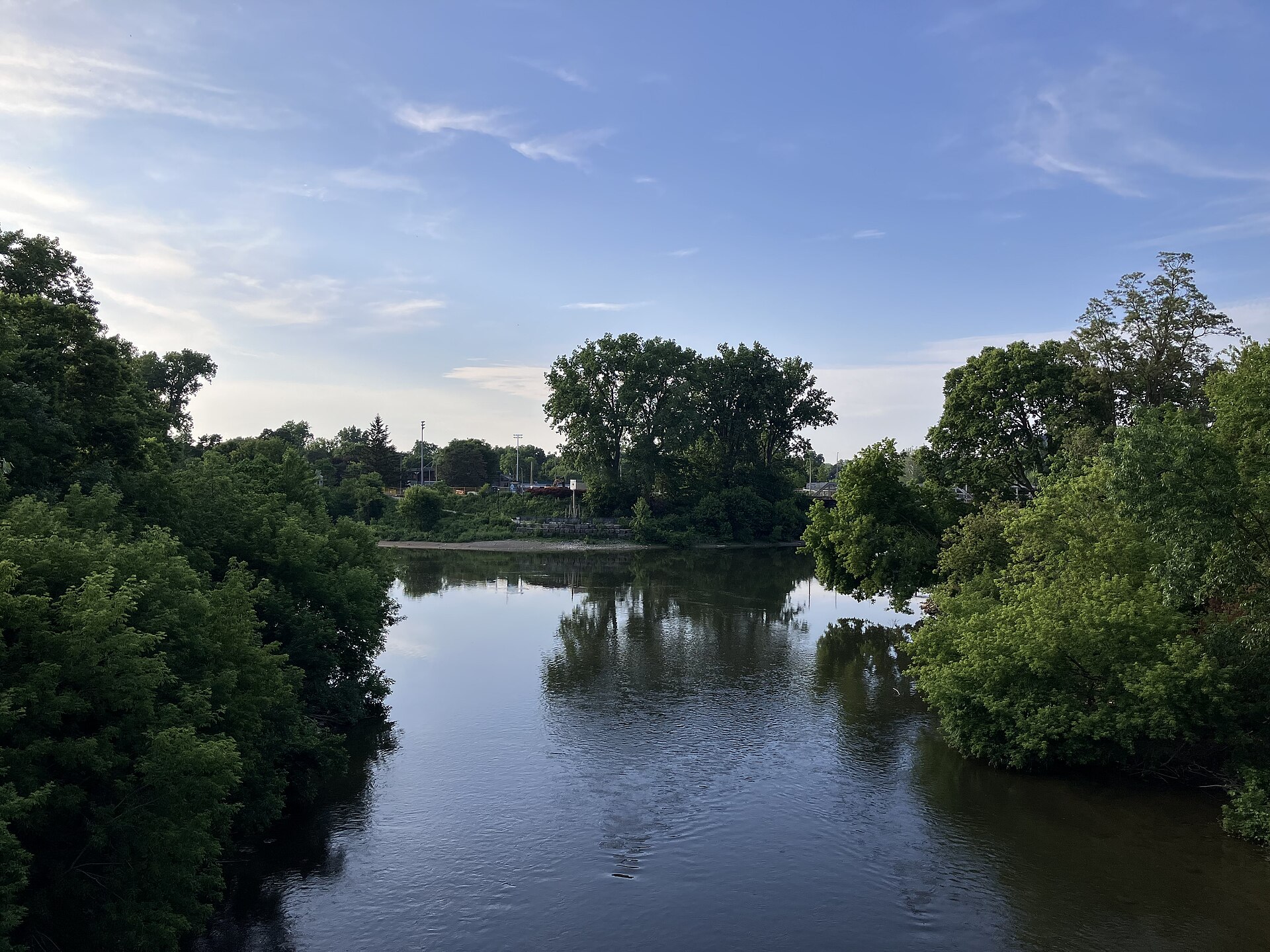
Londoners have called this the Forest City for generations; the City explains that the original settlement was cut from the middle of a forest. The tree canopy is still a point of pride, and London has been named the 2026 Forest Capital of Canada. The river has shaped the city too: after serious floods in 1883 and 1937, the Fanshawe Dam was built on the North Thames in 1953 to protect neighbourhoods downstream.
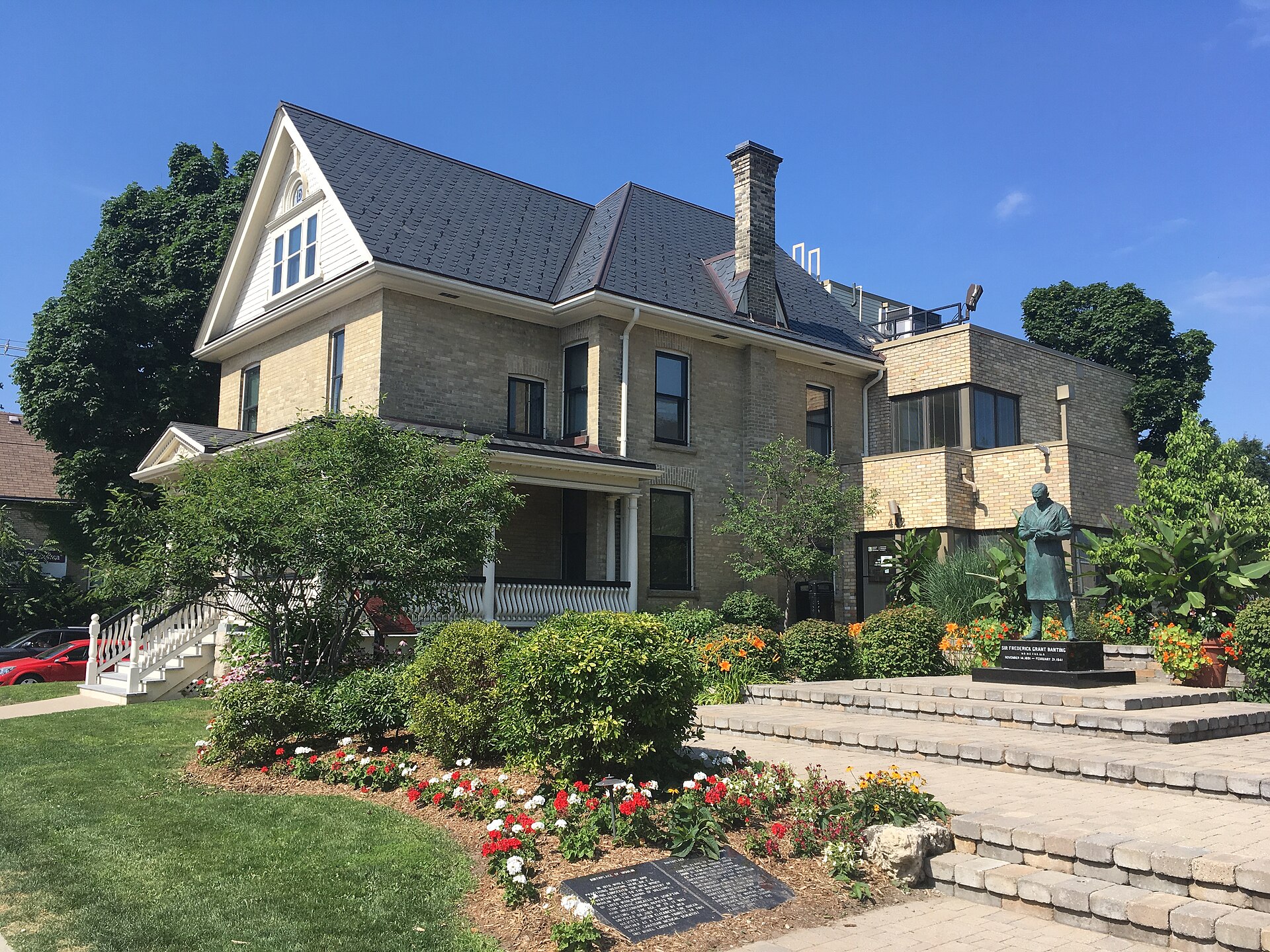
Education and medicine run deep here. Bishop Isaac Hellmuth founded what is now Western University in 1878, and the Gothic-style University College tower still anchors the campus. In 1920 a young doctor named Frederick Banting worked out the idea that led to insulin while living on Adelaide Street; his home is now Banting House, a National Historic Site. Eldon House, the city's oldest surviving residence, offers another window onto early London.
Arts & culture
Theatre, music and a full festival calendar.
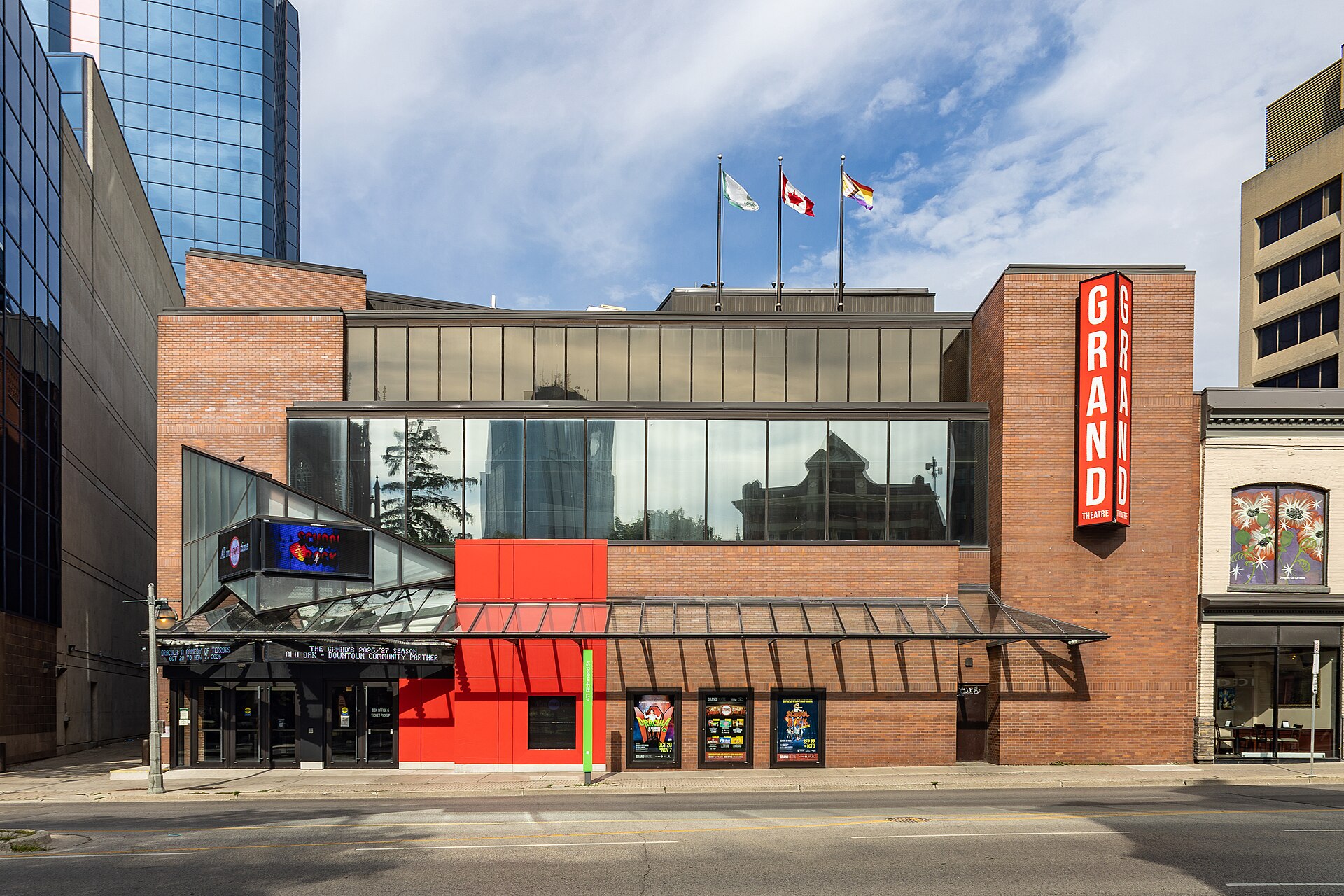
The Grand Theatre on Richmond Street has been raising the curtain since 1901. It is a professional regional theatre today, with a main stage and a smaller studio space, and its season generally runs from fall to spring. One of its best-loved traditions is the High School Project, which puts local teenagers on the main stage alongside professional directors, choreographers and designers.
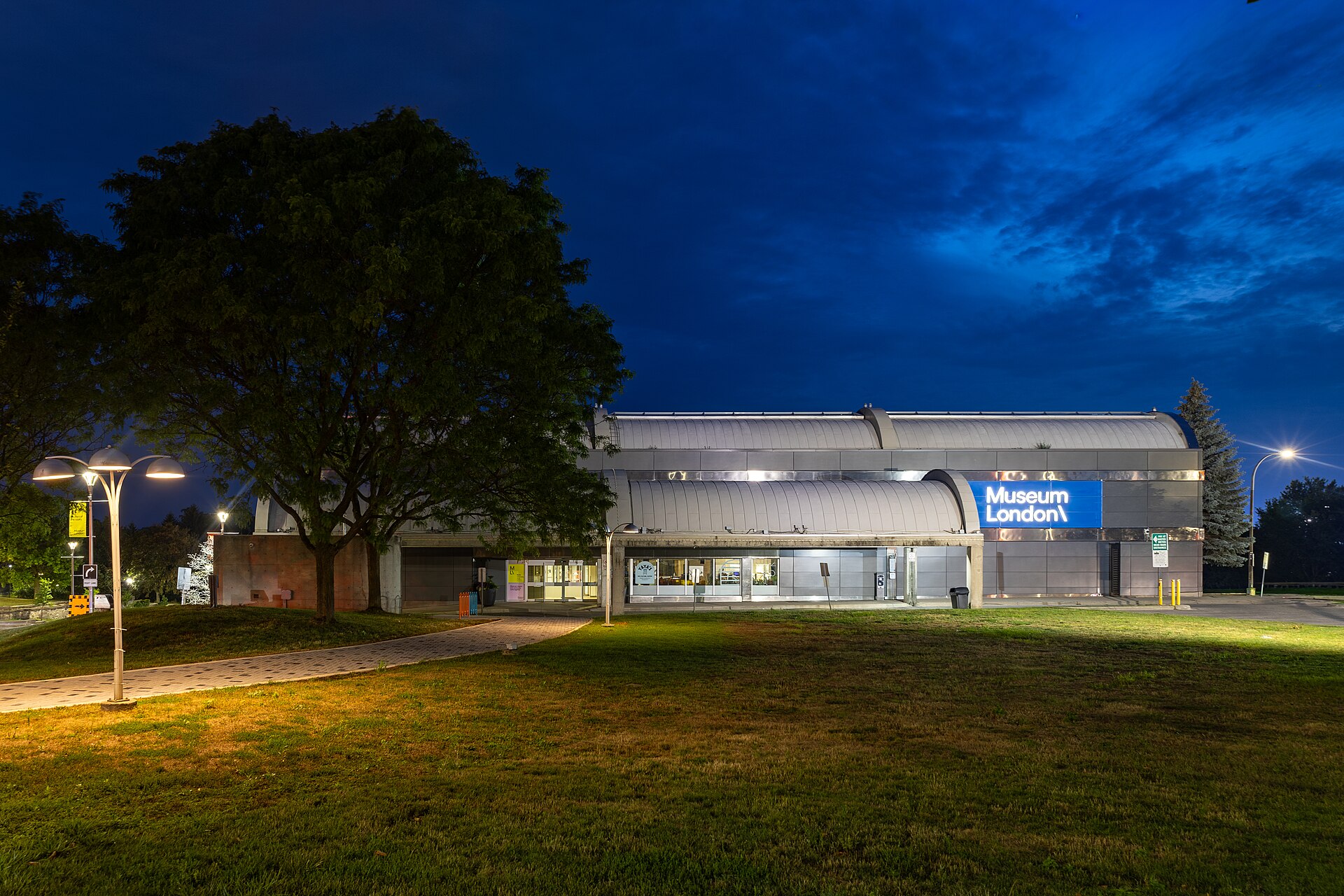
Down by the forks of the Thames, Museum London combines a regional art gallery with a history museum in a building designed by architect Raymond Moriyama. London's music scene is strong enough that UNESCO named it Canada's first City of Music in 2021, and smaller galleries, the Palace Theatre in Old East Village and Western's McIntosh Gallery round out the scene.
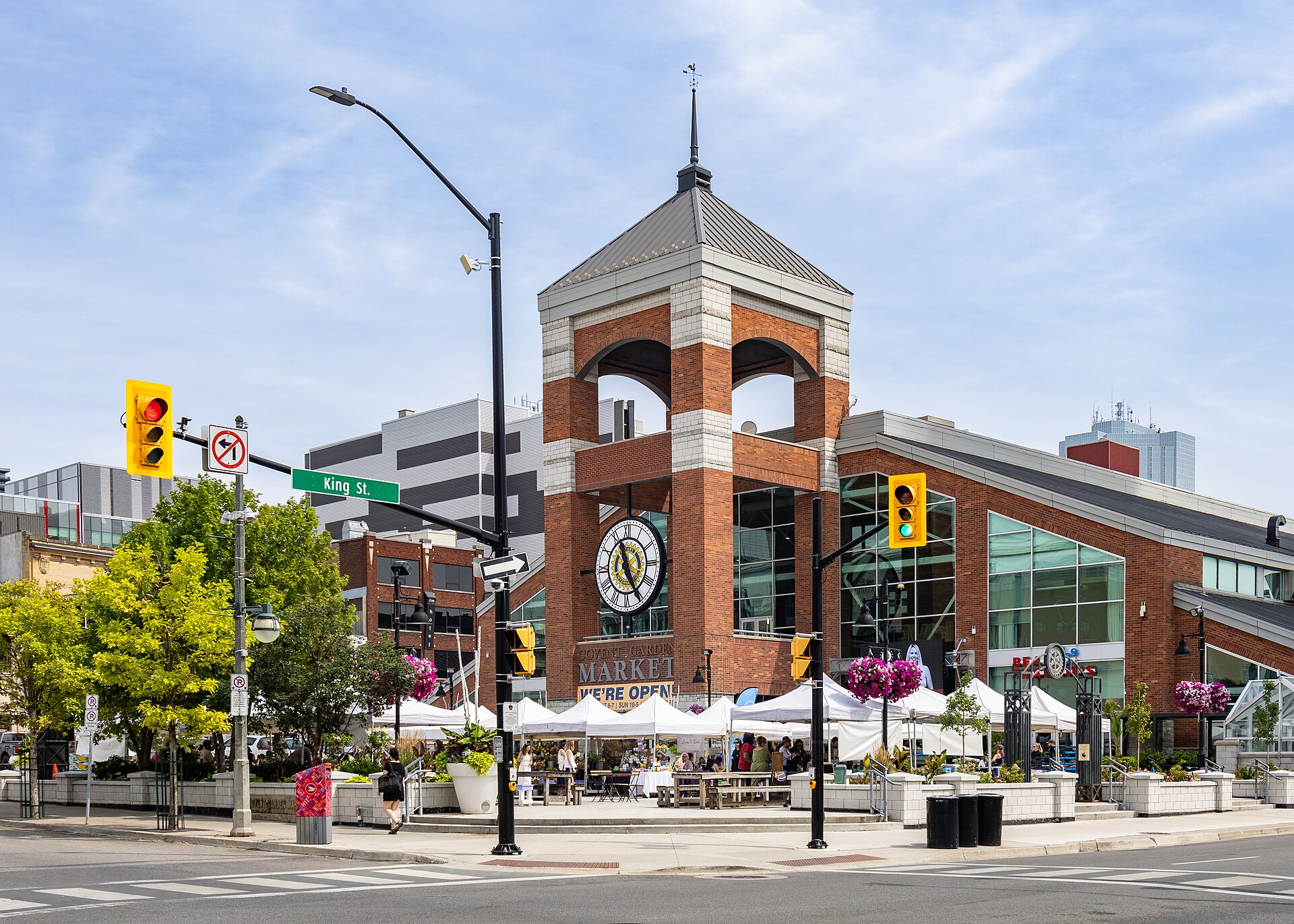
For big nights out, Canada Life Place downtown hosts concerts, touring shows and London Knights hockey. It opened in 2002 as the John Labatt Centre and has had its current name since 2024. A few steps away, Covent Garden Market, established in 1845, mixes food stalls and restaurants with a Saturday farmers' market and a seasonal outdoor skating rink.
Summer belongs to Victoria Park. Sunfest fills the park with global music, food and crafts each July. The Home County Music & Art Festival, known for its admission-by-donation gate and juried craft show, marked its 50th anniversary in 2026, and Ribfest takes over the park on the Civic Holiday long weekend. Add the long-running Western Fair and a steady stream of smaller events, and the warmer months rarely have a quiet weekend.
Outdoors
Parks, trails and the river at your door.
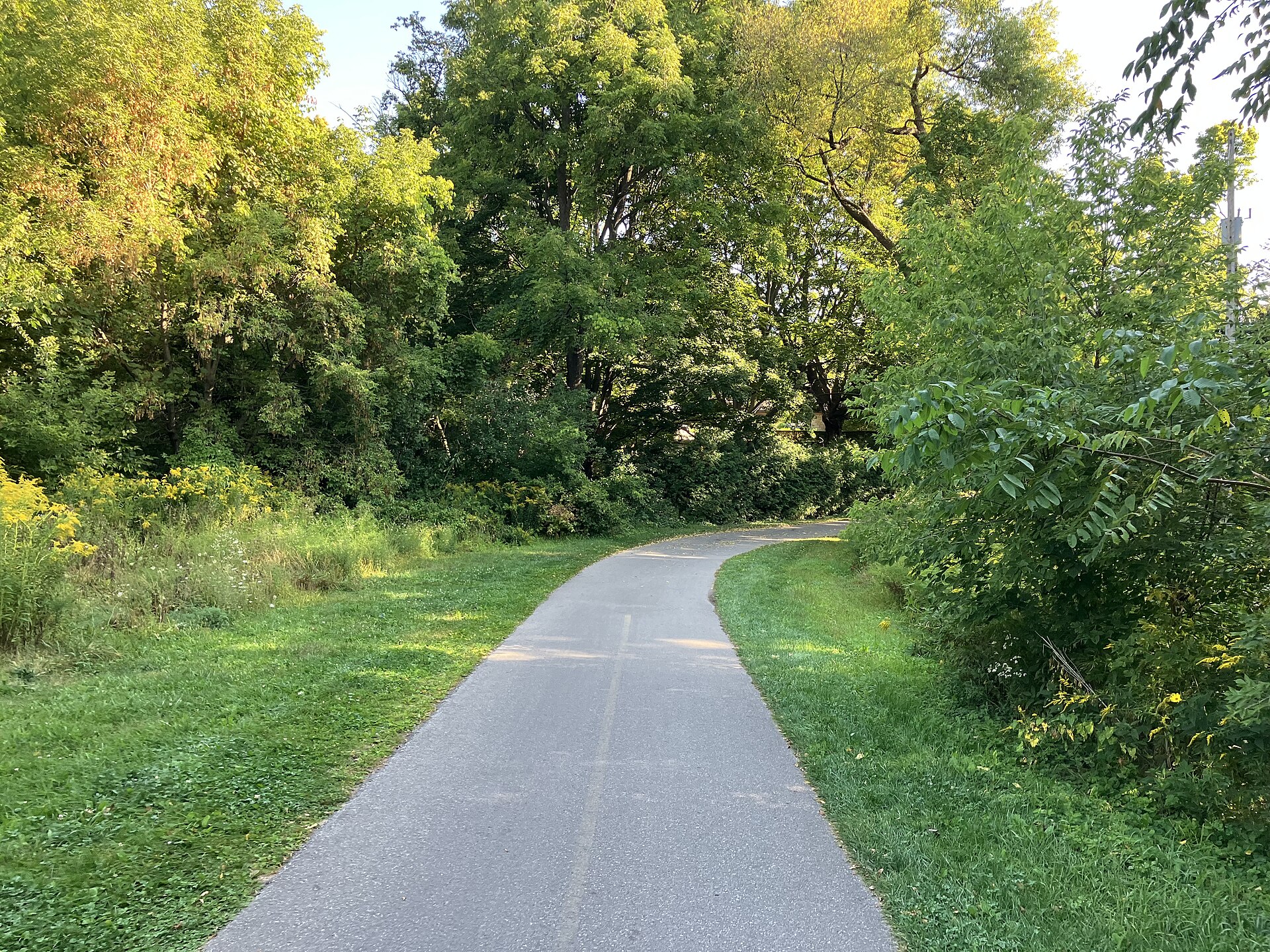
The Thames Valley Parkway is the backbone of outdoor life in London. The City describes it as roughly 45 kilometres of multi-use path following the river, with links to many more kilometres of pathways. You can walk, run or cycle from the downtown forks past Harris Park and Gibbons Park and out toward the edges of the city, and it works as well for a weekday commute as for a slow Sunday ramble.
Springbank Park, stretched along the Thames in the west end, is the city's largest park, with about 30 kilometres of trails, wide lawns and Storybook Gardens, a family attraction open year-round. Downtown, Victoria Park started life as the grounds of a British military garrison and is now the city's main gathering place for festivals, concerts and community events.
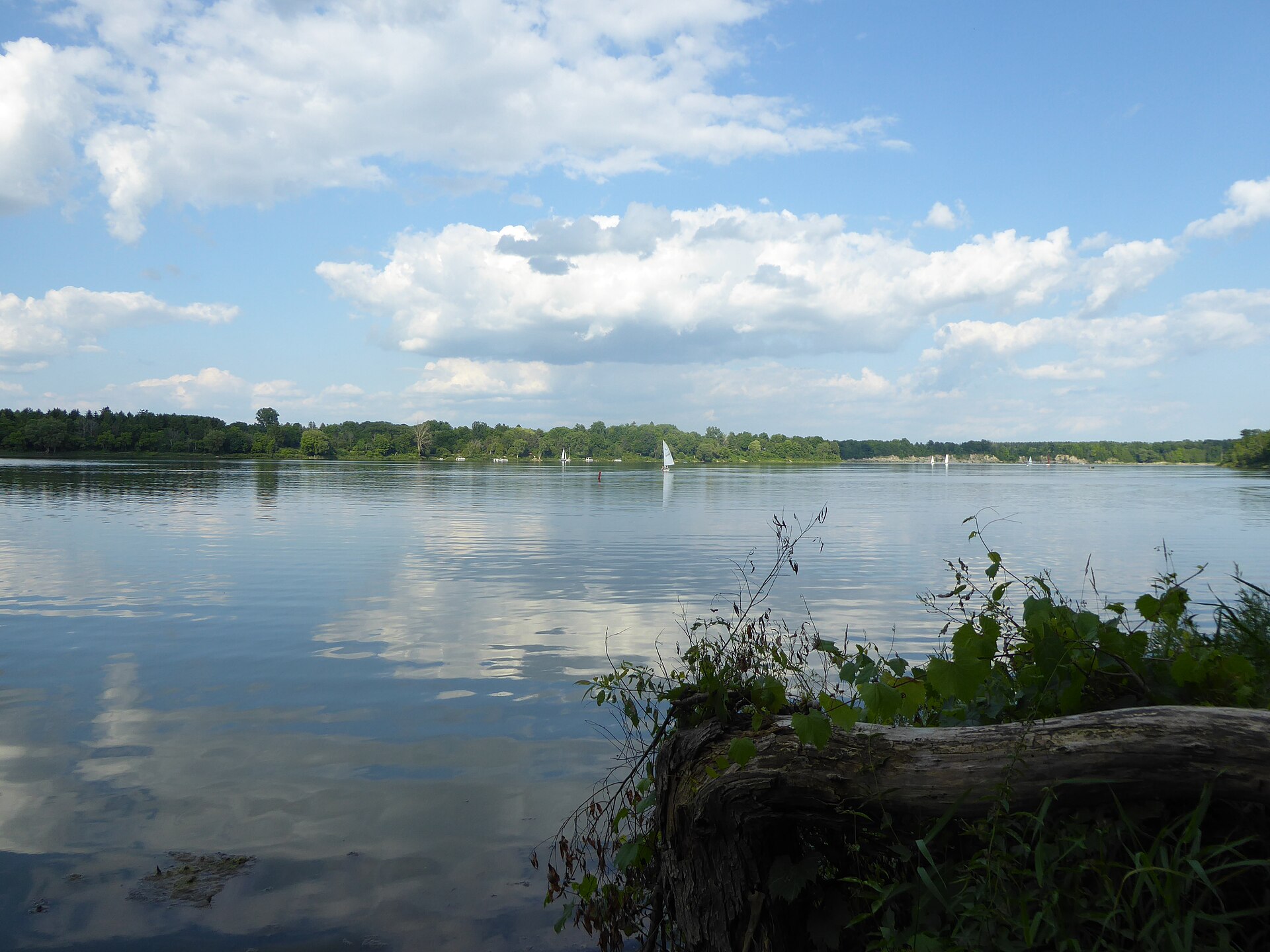
On the northeast edge of the city, Fanshawe Conservation Area wraps around Fanshawe Lake, with camping, trails, boating and fishing run by the Upper Thames River Conservation Authority, and Fanshawe Pioneer Village next door. In the south end, the Westminster Ponds and Pond Mills area protects kettle ponds, wetland and forest, with trails and boardwalks just east of Wellington Road.
When you want a beach, Lake Huron is close: Grand Bend is about an hour's drive north. Closer to home, Boler Mountain in Byron offers skiing, snowboarding and tubing in winter and mountain biking in summer, and the Sifton Bog boardwalk in the northwest is a quiet spot for a nature walk.
Getting around
Commuting, climate and everyday life.
London sits where Highway 401 meets Highway 402, so Toronto and the Detroit-Windsor border are each about 200 kilometres away, while the 402 heads west to Sarnia and the Blue Water Bridge. There is no freeway through the middle of the city; arterial roads such as Wellington Road, Highbury Avenue and the Veterans Memorial Parkway carry much of the cross-town traffic.
The London Transit Commission runs the city's buses, including express and post-secondary routes. A bus rapid transit network is under construction, and the City expects it to open in stages, beginning with the East London Link around late 2027 and the Wellington Gateway around late 2028. Cyclists can use an extensive network of bike lanes and paths, including the riverside Thames Valley Parkway.
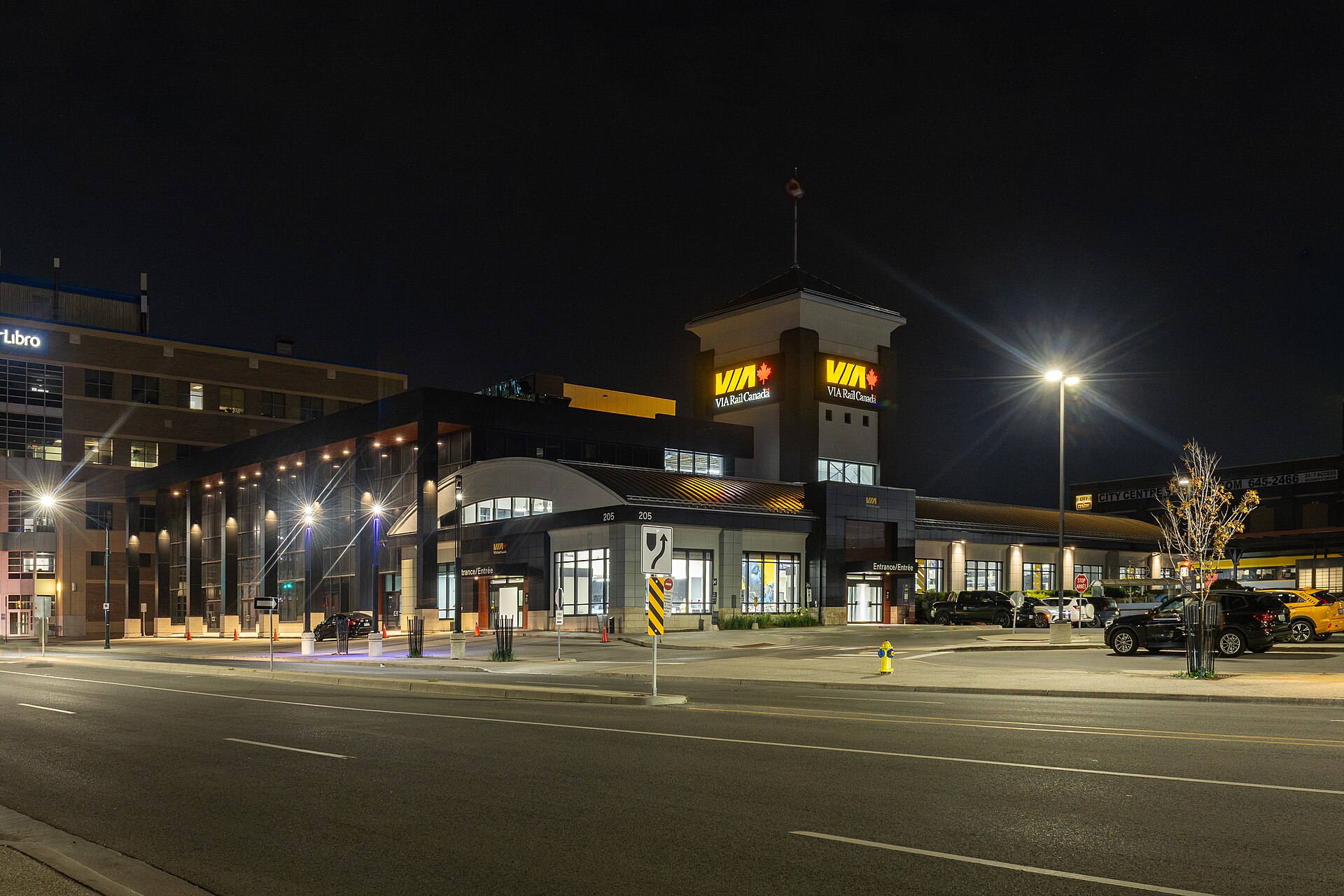
For longer trips, VIA Rail's London station on York Street is on the Quebec City-Windsor Corridor, with trains toward Toronto, Windsor and Sarnia. London International Airport, in the northeast end, has year-round flights plus seasonal sun-destination service, and Toronto Pearson and Detroit Metropolitan airports are both within driving distance.
Expect four distinct seasons: warm, humid summers, colourful autumns and snowy winters, thanks partly to Lake Huron snow squalls. Food lovers gravitate to Covent Garden Market downtown and to the Market at Western Fair District in Old East Village on weekends. Richmond Row and Dundas Street in Old East Village are both easy places to grab a coffee or dinner.